vio
The Dark Secret of Japan's "Zero Percent" Homelessness Rate
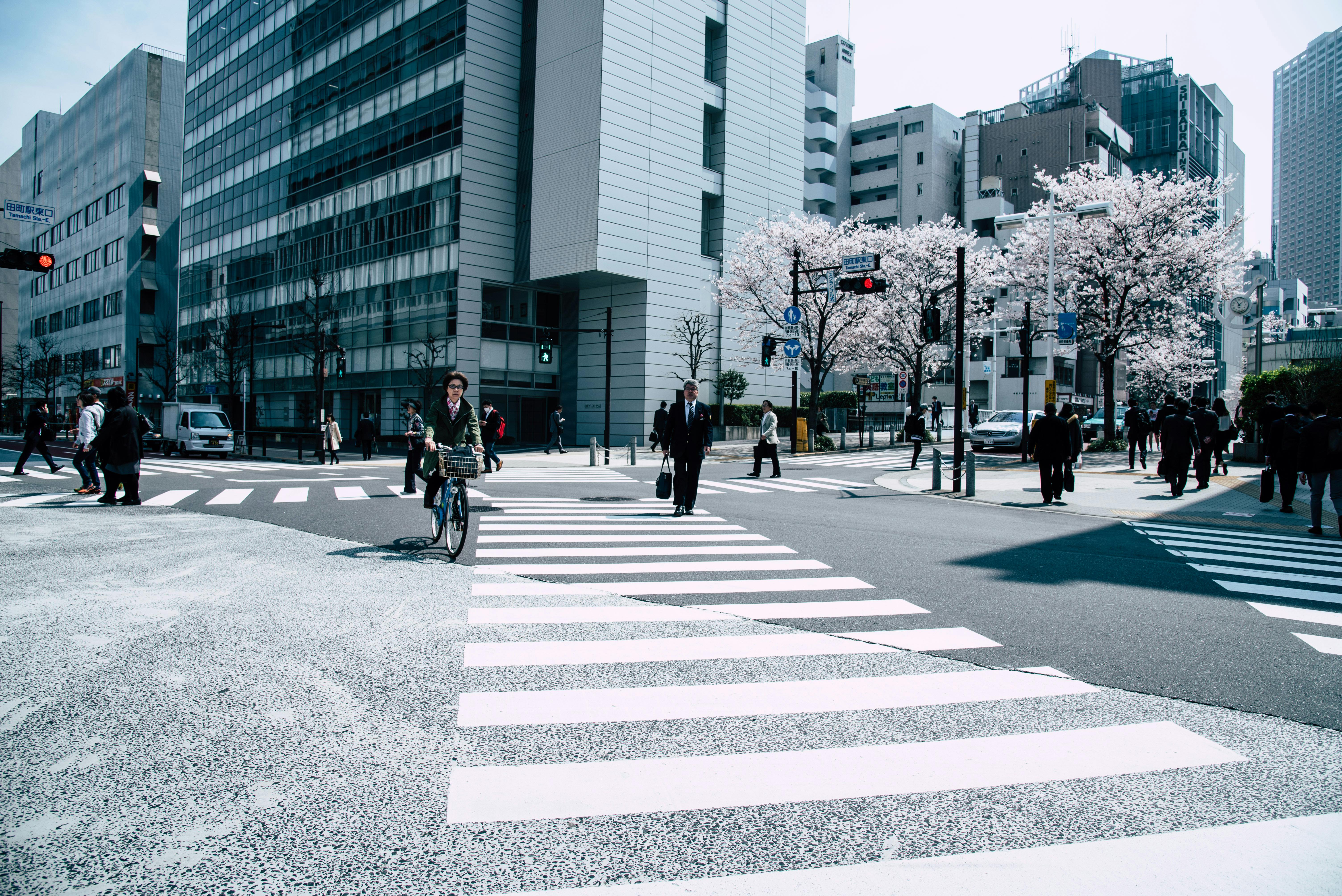 Commuting in Japan.
 Japan, a country known for its innovation, rich culture, and advanced technology, often stands out on the global stage. One particular statistic that sets it apart from other nations is its claim of having an almost zero percent homelessness rate. While the United States grapples with a growing homelessness crisis, Japan seems to have found the elusive solution to a societal issue that plagues many countries. However, a closer look reveals a disturbing truth lurking beneath the surface.
Official statistics claim that Japan, with a population of over 125 million, has only around 3,000 homeless people, which is an astonishingly low number compared to other developed countries. Various factors contribute to this seemingly remarkable success. Firstly, homelessness is severely stigmatized in Japanese culture. Homeless individuals are often blamed for their predicament and receive little compassion or support. The majority of homeless individuals in Japan are men, and their inability to be self-reliant is seen as an embarrassment, both by the public and themselves.
The authorities further exacerbate the situation by making it difficult to be homeless. Laws ban begging in public, and cities implement hostile architecture, discouraging homeless people from staying in certain areas. Additionally, Japan's strict drug laws have led to significantly lower drug addiction rates compared to the US, where addiction often contributes to homelessness. The country's robust healthcare system also plays a role, as mental illness, a common factor in homelessness, is better addressed and treated.
On the surface, Japan's success in combating homelessness appears exemplary. However, a darker reality lies beneath the official numbers. The truth is that homelessness in Japan is more prevalent than the statistics suggest. While only a fraction of the homeless population is visible on the streets, a significant number of individuals live hidden away from society's eyes.
The roots of this hidden homelessness can be traced back to the economic crisis that hit Japan in the 1990s. The collapse of the stock and real estate markets left millions without stable, well-paying jobs, resulting in what is now known as Japan's "Lost Generation." Many of these individuals struggle to afford rent and find themselves excluded from mainstream society. They are referred to as "net cafe refugees" since they seek refuge in 24-hour internet and manga cafes, paying by the hour to avoid sleeping on the streets.
These "net cafe refugees" work low-paying, part-time or temporary jobs, which, combined with the cost of shelter in internet cafes, perpetuates their cycle of poverty. They may not fit the traditional image of homelessness, but they are indeed homeless, without a permanent address or a place in society.
 Net cafe refugees
 Experts believe that Japan's official statistics significantly underestimate the true number of homeless individuals. Non-governmental organizations estimate that the actual figure could be at least three times higher than the official count. In Tokyo alone, it is estimated that at least 15,000 people live as "net cafe refugees," five times the official number of homeless individuals in the entire country.
The existence of "net cafe refugees" sheds light on the deeper societal problems in Japan. Over 22 million people, a third of the workforce, work as part-time or temporary employees, not by choice but due to the scarcity of full-time jobs. Many struggle to make ends meet, living on meager wages, and facing a lack of prospects for improvement.
The situation represents a failure of the Japanese economy, leaving a significant portion of its population on the fringes of society. The pressure to avoid societal shame drives many to stay invisible, living in the shadows of cyber cafes and capsule hotels. This invisible homelessness may not be as apparent as street homelessness, but it is a pressing issue that Japan cannot ignore.
As the number of "net cafe refugees" continues to grow, Japan must confront its dark secret—the hidden homelessness that tarnishes its claim of a near-zero percent homelessness rate. Addressing the root causes of hidden homelessness, such as job insecurity and economic disparity, is crucial for creating a more equitable and compassionate society for all its citizens. Only by acknowledging the reality beneath the surface can Japan truly move towards a brighter future for those who have fallen through the cracks.